This Land: New Hampshire

On a July Monday in the year of our lord, 2025, Ronnie and Rocinante woke up to a new day, in a strange land. And with all apologies to the natives, it appears they brought the Kanorado weather with them. Average July temps in Derry New Hampshire (no, not that Derry) is between the upper 70s and mid 80s. Today, it’s 92 with tomorrow’s forecast predicting temps up to 96! Fortunately, no one in the Derry Public Library knows it’s Ronnie’s fault… woo hoo!

Anyway, New Hampshire, the Granite State. The first to weigh in on the various candidates making bids to run the most powerful nation on the planet (till it’s not). These loopers are fiercely independent, proving themselves resilient and worthy from the jump.

On January 5, 1776… long, long ago, the cantankerous loopers of New Hampshire decided they’d had enough of old King George. Wham… first colony to declare independence! Nearly half a year before those other guys got around to signing the Declaration. Brave souls, or maybe just impatient.

“Live Free or Die!” It’s what they say.

Established in 1629, named after some place in England… typical. Then came the British troubles. In 1774, before most folks even knew what was what, New Hampshire jumped the gun seizing Fort William & Mary, just like that. Two years later, they had their own government and constitution. First again. No dilly-dallying for these loopers.

“Live Free or Die!” Sounds about right.

Later on, when the big American family squabble happened, the one they called the Civil War, New Hampshire was all in for abolition. Thirty-two thousand soldiers, give or take a few, marched off to fight for the Union. After that unpleasantness, boom… factories everywhere! Textiles, shoes, paper. The Amoskeag Manufacturing Company in Manchester was the biggest cotton mill on the planet. Can you imagine? Then came the French Canadians, by the droves. Now, a quarter of the population has French-American blood. And these days, New Hampshire is rich and smart. Go figure.

“Live Free or Die!” A mantra, if you will.

They’re not big on religion here. Least religious U.S. state, they say. Staunchly libertarian, they won’t be taking orders from priests… they really like their freedom. A Pew survey in 2014 showed that thirty-six percent here were part of the fast growing demographic known as the “nones“. Thirty percent Protestant, twenty-six percent Catholic. Not many Mormons or Jews. They don’t go to church much, these New Hampshirites. Only fifty-four percent are “absolutely certain there is a God,” compared to seventy-one percent elsewhere. Curious, isn’t it? Oh, and here’s a kicker: New Hampshire is the only state to have a woman governor and two women as U.S. senators. There’s another kick in the agates for the patriarchy.

“Live Free or Die!” And make room for the ladies in your ol’ boy network.

Now, before all the European colonizer hullabaloo, the Abenaki tribes were here, minding their own business. Different cultures, different gods, but same language, mostly. People were living near Keene up to twelve thousand years ago! Imagine that. You can commune with the sacred spirits in the White Mountain National Forest, winding through the Appalachian Trail.

“Live Free or Die!” A long, beautiful nature hike.

On Mount Washington, they call it… the “World’s Worst Weather.” Hurricane-force winds every third day. Through the years, more than a hundred visitors underestimated that fury, and now they cant. Little dwarf trees, all matted and gnarled, like angry bonsai. So it goes. And the Old Man of the Mountain, a face carved by nature itself, watched over Franconia Notch for ages. Then, one day in May 2003, poof! Gone. Just like that. And Ronnie thought Kanorado had windy days.

“Live Free or Die!” Until you can’t.

Lakes, ponds, rivers, streams. Eight hundred of the first, nineteen thousand miles of the second. Hard to keep track of all this windy river vertigo. Sometimes state boundaries get bungled. New Hampshire and Maine had a little squabble over the Piscataqua River boundary, specifically some islands. The Supreme Court said Maine owned them. But New Hampshire still says the naval shipyard on Seavey’s Island is theirs. Stubborn, these Granite Staters.

“Live Free or Die!” And don’t tread on me.

New Hampshire has the shortest ocean coastline in the whole darn country, eighteen miles. Blink and you miss it. Hampton Beach, where folks go to get sunburned. And the Isles of Shoals, nine tiny islands offshore. Four of them are New Hampshire’s. Poet Celia Thaxter had an art colony there. And Blackbeard, the pirate, supposedly buried treasure there. Treasure and art. A strange combination.

“Live Free or Die!” For rum, booty, and framing services perhaps?

And New Hampshire has produced an impressive list of notable people: Mary Baker Eddy, who started Christian Science. Robert Frost, a poet who knew a thing or two about lonely roads. Alan Shepard, who went to space. Ronnie James Dio, the flaming heavy metal icon. Dan Brown, who writes those mystery novels. Adam Sandler, Sarah Silverman, Seth Meyers… funny people. So it goes.

“Live Free or Die!” Or at least, take it with a generous sense of humor.

And with that, again we point out the fact that New Hampshire’s average July temperature ranges from the mid-70s to mid-80s. As this entry gets logged the thermometer is in the mid-80s, on the way to a high of 96! Now without sounding like a total narcissist, Ronnie is rehearsing excuses in case anyone were to irrationally put the blame on him and Rocinante for bringing the Kanorado “Dawg Days” all this way north. You gotta admit, it is an astonishing coincidence. On the drive from Burlington VT to Derry, NH, the conditions were gorgeous. Light rain and upper 60s to mid 70s. Ronnie was breathing a sigh of relief for getting away from the punishing Kanorado summer heat, only to find he had apparently brought his customary suffering with him, to the astonishment of the Yankee natives.

PS: There is a silver lining… Ronnie always manages to find one. That being, evening temps cool down significantly so that Ronnie’s able to switch the ceiling fans off around 10 or 11 P.M. as they aren’t needed for the rest of the night. So… there’s that.

Onward through the fog… Rohlfie

You won’t get far…
In the Granite State…
With Shuck and Jive…
They can’t relate…
First to weigh in…
On the Presidential Race…
Live free and chalk it up to fate.

This Land: Vermont

So… after a brief hiatus from the HSoB tour (Dry Tortugas, baybay), Ronnie and Rocinante pointed the grill due North landing them in historic and spooky (see below) Burlington, Vermont. Now, because Mother Nature has a wicked sense of humor, the first night in this northeastern woodland was accompanied by the infamous “heat dome“. That’s right, temps in the 90s, not cooling down till the wee hours. Of course, Ronnie remains humble, and Rocinante snickers beneath her breath as she’s not bothered by the varieties of biological temperature sensitivities. Ronnie expects the dome to move on soon, and he’s finding the Burlington library facilities among the best yet encountered. In fact, there is only one library in which he has experience that compares with Burlington, in Topeka, KS.

Now when Ronnie thinks of Vermont, his brain immediately goes to Senator Bernie Sanders. And why not? The man, with his rumpled suits and his waving arms, and the voice of gravel mixed with moral indignation, is practically a walking, talking, quintessentially American ideal. He’s the guy who reminds you of what Grandma told you about doing the right thing, even if nobody else is. He’s a fearless avatar, this Sanders, straight outta Vermont. And Vermont, well, it’s got this weird, similar history: secular, sure, but with a moral compass that points due north; revolutionary, absolutely, but grounded in a kind of unvarnished pragmatism that’d make a brick wall seem flighty.

But hold your horses, loopers, because even the best of us, even Vermont, has got some unsightly warts. And these aren’t just little pimples, these are the kind of warts that make you wince.

First off, let’s talk about the Native Americans. The Algonquian-speaking Abenaki and the Iroquoian-speaking Mohawks. They were here, for ten thousand years or more, minding their own business, probably inventing things we still don’t understand. Then the Europeans showed up. And now? Poof. All but extinct within the territory. This, my friends, is not a testament to good neighborly relations. This smells of something far nastier, a militant exercise of racist policies, right down to the bone marrow. And get this: Vermont, with a population that barely scrapes a million souls, is one of the least diverse places you’ll ever lay eyes on. But, and here’s where the whiplash comes in, Vermont was the first state to abolish slavery. The first! They even had safe houses along the Underground Railroad, helping people escape the horrors of coerced servitude. Now, put that next to zero federally recognized tribal associations or reservations. It’s enough to make a progressive-minded person feel like they’ve just been spun around in a washing machine. Vertigo, indeed.

And then there’s the whole women’s suffrage thing. Vermont was ahead of the curve, letting women vote in town elections back in 1880, decades before it was a national thing. Good for them, right? Pat on the back, Vermont! But wait, there’s more. In 1931, this enlightened state became the 29th to pass a eugenics law. Eugenics! Sounds like something out of a bad science fiction novel, doesn’t it? They sterilized people in institutions, people they’d decided were “degenerate” or “unfit.” They said they had permission, but documented abuses, folks, documented abuses. Two-thirds of these procedures were on women, and wouldn’t you know it, poor, unwed mothers were prime targets. There’s a debate about the exact numbers, but most happened between ’31 and ’41, though some went on as late as 1970. So, yeah, light and darkness, yin and yang, the whole cosmic shebang. Vermont embodies it all.

This, loopers, is why Ronnie, with his pragmatic Kanorado heart, loves the place. It’s got guts. It’s got flaws. It’s got character. To understand it better, we gotta dig into the dirt a little.

Let’s talk about Ethan Allen. A farmer with dirt under his fingernails, a writer with some philosophical thoughts rattling around in his head, a military man, and a politician. He’s the guy who practically invented Vermont, and he’s famous for snatching Fort Ticonderoga during the Revolutionary War. He was a land speculator, got into some scrapes with the law, and next thing you know, he’s leading the Green Mountain Boys, who basically ran New York settlers out of town with a campaign of intimidation. Then he gets himself captured by the British, tossed on some Royal Navy ships, and eventually swapped in a prisoner exchange… what a life.

And this Allen fellow, he wrote a book, a controversial little number called “Reason.” He was no Christian, he said, but wasn’t sure he was a Deist either. He just wanted good sense and truth to flourish. He believed that if folks just used their brains, they’d get rid of superstition and have a better understanding of God and their obligations to each other. Sound familiar? It should.

Because from the very beginning, a beacon for human dignity, you’ve got Bernie Sanders, a modern analog to Allen. He stands for something. Yet, Vermont itself remains this sparsely populated, homogenous woodland, a place that could confound even the wisest of philosophical thinkers.

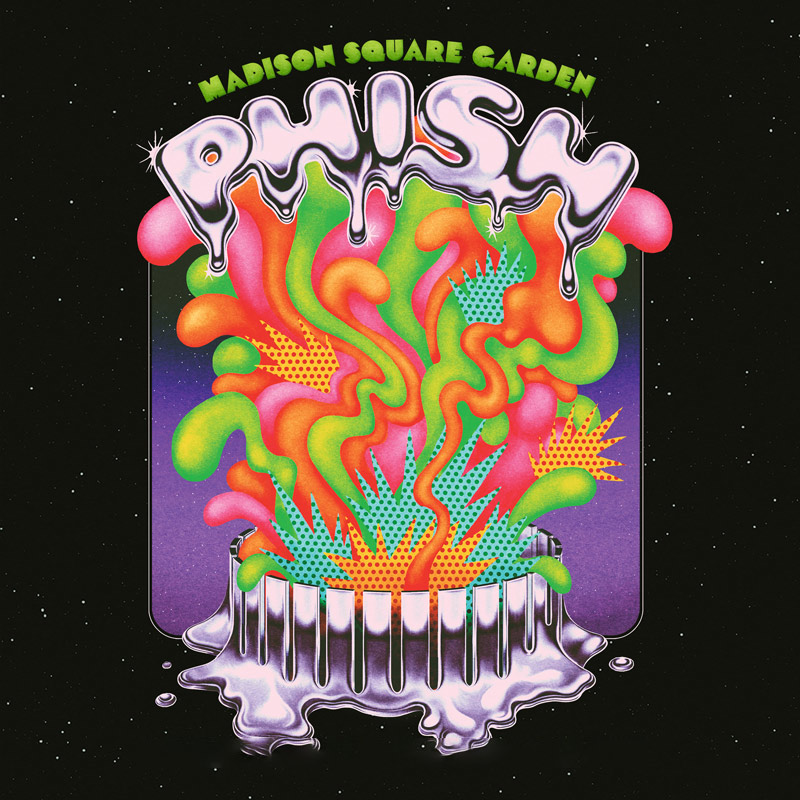
And what about Vermont’s cultural output? Well, you got Phish. A jam band. From Burlington. Known for their musical improvisation and their fan base. The East Coast’s Grateful Dead, essentially. Make of that what you will.

Feeling dizzy yet? Hold on to your hats. In the 21st century, Vermont decided to double down on its progressivism. In 2000, it was the first state to introduce civil unions. Then, in 2009, it was the first state to legalize same-sex marriage, and get this, they did it without being forced by a court. They just did it because they thought it was the right thing to do. And on January 22, 2018, Vermont became the first state to legalize recreational cannabis through legislative action. The ninth state for medical marijuana. And who signed these laws? A Republican Governor!

So, there you have it. Vermont. A place of contradictions, a place of pioneers, a place that sometimes gets it spectacularly right and sometimes gets it spectacularly wrong… c’est la!

And now, Ronnie, not ready to leave this place, is planning to attend some of the local “ghost tours,” cos you know, that’s one of the driving motivations of the HSoB tour. For example: Lake Champlain, bordering Burlington, Vermont, is steeped in maritime history, shrouded in tales of shipwrecks and ghosts including, but not limited to the schooner Sarah Ellen, lost in 1860, has been linked to a legend known as the Champlain Witch. The steamboat Water Witch sank in 1866 during a gale after being converted to a schooner, is another ghostly story of tragedy on the lake. This one has the captain’s youngest child lost to the depths.

Lake Champlain has claimed over 300 shipwrecks, many of these sacred zones are considered inhabited by spirits of those sleeping there. Some of these are included in Vermont’s Underwater Historic Preserve System made accessible to certified summer divers. And some of these divers have reported spooky experiences, including cold waves and strange noises near the wrecks.

Don’t worry, Ronnie won’t dive… hell, he didn’t even go snorkeling at Dry Tortugas. Something about taking off the glasses stops all thoughts of exploring the murky depths. Without the glasses, he feels like a slightly less animated Mr. Magoo.

Onward through the fog… Rohlfie

It may be micro…
More trees than Glasgow…
Green Mountain country…
It’s where the syrup grows…
It’s Lake Champlain…
And its ship wreck ghosts…
All part of American Ideal!

This Land: New Jersey

Alright, here we are… back in Horseheads, NY. Now, Ronnie and Rocinante were supposed to be in New Jersey. Writing about New Jersey from the Jersey Shore, no less… from the Boardwalk… gnoshing on saltwater taffy.

But plans, you know. They’re like little paper boats you set sailing in a bathtub, and then the dog jumps in… C’est la.

We aimed for the Atlantic, for the roar of the ocean and the smell of fries, and we landed in Clinton. Clinton, New Jersey. Which, naturally, kicked off a little ditty in Ronnie’s head, a bastardization of something that was definitely better in its original form:

Well I’ve never been to Jersey…
It’s charms are kinda hidden…
Well we headed for the boardwalk…
Only made it out to Clinton…
Can ya dig it…?
Ya just can’t rig it…
Go on and swig it.

And I’ve never been to Heaven…
But I’ve been to Kanorado…
Well they tell me i was born there…
But i really don’t remember…
In Kanorado… not Eldorado…
What does it matter…?

What does it matter indeed? You try to make sense of things, write a nice little blog dispatch, and your brain starts howling like three lonely dogs.

Now, New Jersey. It gets a bad rap. A real thumping from the wits over in New York, the titans of 30 Rock, who probably only ever see the bits that look like the inside of a vacuum cleaner bag – all that industry flanking the Jersey Turnpike. “Garden State,” they call it. And you drive past refineries that look like metallic dinosaurs coughing up their last, and you wonder about the gardener.

But listen: Jersey. It’s small. Fifth smallest, a little postage stamp of a place. But it’s packed. Like a can of articulate sardines. Most densely populated state in the whole damn Union. And these aren’t just any sardines, mind you. They’re educated. They’re rolling in it – ten percent are millionaires. Millionaires! Probably from inventing some new kind of concrete or a better way to subdivide themselves. They’re healthy, too, second healthiest. And diverse? You betcha. Religion, ethnicity, the whole shebang. They’re practically a miniature, well-funded, surprisingly fit United Nations. Human Development Index, both the American kind and the regular kind? Near the top. So there.

And the noise they make, these New Jerseyites. You’ve got Frank Sinatra, Ol’ Blue Eyes, serenading the Meadowlands. Then there’s Springsteen, The Boss, sounding like he swallowed a gravel road and a book of working-class poetry. Whitney Houston, voice like a goddamn angel, soaring over Newark. Queen Latifah, hip hop royalty. And Tony Soprano, figuring out life’s little and bada-bing tragedies, usually involving gabagool. Even Snooki, bless her heart, contributing to the general, unscripted, leopard-print chaos. Moxie, Jersey’s got it.

So, Ronnie and Rocinante, they’re trundling along, aiming for the shore, and they hit Clinton. No beach, no boardwalk. But Clinton, it turns out, has ghosts (a prominent HSoB Tour objective). Every October, the Red Mill there gets dressed up as a Haunted Village. They even had Ghost Hunters poke around in 2008. Ghosts, by gawd. We were supposed to be looking for the soul of the Jersey Shore, and we found a place that specializes in things that ain’t there anymore. Or maybe never were.

Excuses, excuses. They’re like armpits, Ronnie always said; most people have two and they usually stink. One excuse for falling short of the salty air was a detour. A holy pilgrimage, almost. Rocinante, with a mind of her own, or maybe just following the subtle magnetic pull of craftsmanship, wandered off to Nazareth, Pennsylvania. Nazareth, PA. Where they made Ronnie’s guitar. Martin, the kind of guitar that made Robbie Robertson want to sing about feeling about half-past dead. Which, of course, set off another little ear-worm:

Pulled into Nazareth, feelin’ ’bout half-past dead…
Don’t need to find a place where i can lay my head…
Cos’ Rocinante was smart ’bout thinkin’ ahead…
Allowing Ronnie to skip the part ’bout askin’ for a bed.

It’s a funny old world. You aim for the ocean, you find a guitar factory and Jersey Mike’s for lunch. You expect one thing, you get something else.

And speaking of something else, New Jersey. Blue state. Thoroughly blue. But even in the bluest of states, you’ll find some folks trying to repaint the town red. Some genius, some absolute card-carrying comedian without an audience, tried to change the name of little Clinton to “Reagan.” Reagan, New Jersey. You can’t make this stuff up. The universe just hands it to you on a slightly greasy, very confusing platter. Who needs The Onion when you’ve got municipal politics?

So, the report on the day trip to New Jersey got written, not from the boardwalk, but from the quiet, and ever-friendly Horseheads Free Library. About a trip that missed its target but hit a few other things along the way. Ghosts, guitars, sandwiches, and the perplexing, often hilarious, business of being human. Turn, turn, turn.

Onward through the fog… RH

You don’t need beach towels…
On a Clinton hike…
But if you’re hungry…
There’s Jersey Mikes…
And if you’re lucky…
You’ll stop in Nazareth…
And pick out a brand new Martin ax.

HSoB: Dawg Dayz

Ronnie Hays, a man whose summer spirit animal was likely a slightly singed tumbleweed, had come to the nation’s capital with the best of intentions. The Hot Springs or Busk tour, a grand delusion hatched during a particularly brutal February, was predicated on the simple, Nietzschean idea that purposeful suffering builds character. Having already suffered enough, Ronnie decided to route his nation-wide tour to stay in climate zones ranging from fifty-five to eighty-five degrees, the sweet spot of human endurance, the crucible of the soul! He’d envisioned himself a Thoreauvian guitar hero, strumming universal chords amidst humanity’s waxing and waning.

Bullshit. Pure, unadulterated, desert-baked bullshit.

The “Heat Dome,” as the local news charmingly called it, wasn’t a dome at all. It was more like being trapped inside a giant, sweaty armpit, the kind belonging to a long-haul trucker who’d mainlined lukewarm coffee for three days straight. The air in Ronnie’s trusty Sprinter van, Rocinante, felt thick enough to chew. He’d envisioned festive busking celebrations, though getting him no closer to Saturday Night Live, would render enough spare coin to grab a meal at the local sandwich shop. Instead, he found himself sweating under a near ineffectual ceiling fan, each morning waking up feeling like a poorly wrung dishcloth.

So, the busking gear gathered dust. The call of the troubadour was drowned out by the siren song of the mall food court’s air conditioning. After a productive shift dodging rogue toddlers and the whispered anxieties of the internet-addicted masses at the public library, Ronnie would retreat to this muzak-infused oasis. There, amidst the clatter of plastic cutlery and the pervasive aroma of lukewarm orange chicken, he’d tap tap tap away on his tablet, crafting ironic insights (or at least, moderately coherent sentences). Roughing it, his ass. This was more like politely surrendering to the crushing reality of climate change and a distinct lack of masochistic tendencies.

He pictured himself now, a bumbling, modern-day Don Quixote, sweat beading on his five-o-clock shadow. His armor traded in for a Hawaiian shirt that clung to him like a damp second skin. On his head, not a gleaming helmet, but a decidedly un-gleaming bucket hat, perpetually askew. His trusty spear replaced by a backpack, its hydration bladder more vital than any lance against the oppressive thermal foe. Rocinante, the wheezing van, stood sentinel in the D.C. Metro Branch Avenue parking lot… a tin can beast of burden in this concrete desert. In the hazy distance, a monstrous broadcast tower pulsed with invisible signals, a modern-day malevolent windmill against a humidity-choked sky, a reminder of the information war that had lured him to the proud highway in the first place.

He’d braved the sweltering streets of D.C., a city buzzing with a nervous energy thicker than the humidity. The political air crackled with a pre-apocalyptic fervor, the news a constant barrage of impending crisis. A grumpy waiter here, a train car full of faces etched with worry there. And then, the memes. Oh, the memes. Those digital harbingers of discontent, the unfunny, menacing pronouncements hinting at a redux of some long-ago, blood-soaked uncivil conflict. Ronnie, with his comfortable former life in the ivory towers of academia, knew he was on the wrong side of that particular partisan divide, labeled with that delightfully reductive term: “woke.”

He’d spent hours wandering around the fenced-off National Mall, the intended epicenter of his social exploration just out of reach. Denied entry to the Pride Fest because of his backpack – a water bottle deemed a potential weapon, for Christ’s sake – he felt like a character in some absurdist Kafka adaptation. The irony wasn’t lost on him: all this purposeful social exploring he’d signed up for, only to be thwarted by something as mundane as a plastic water bottle and transparent back-pack.

He thought of Churchill, of course. That eternal optimist (or perhaps just a bloke with a stiff upper lip and a fondness for the drink). “Americans can be counted on to do the right thing once they’ve tried everything else.” Ronnie clung to that like a life raft in a sea of digital vitriol and oppressive heat. This flirtation with the dark side, this collective descent into the fever swamp of ethnonationalism – it was just a phase, right? A particularly sweaty, anxiety-inducing phase. Eventually, the fever would break, and they’d stumble back towards something resembling pluralistic sanity.

He hoped.

The Metro ride back to Rocinante was a sweaty, sullen affair. The promise of the night in a tin can under a sky slow to cool was less than appealing. Just weeks ago, he’d been shivering in that damned mummy bag, wishing for a single degree of warmth. Now, the thought of trying to sleep in a pervasive coating of sweat felt like a prelude to spontaneous combustion.

He’d had enough. This noble experiment in “Hot Springs or Busk” had devolved into a sweaty, keyboard-tapping surrender in a mall food court. Protest season in D.C.? They could have it. The call of the open road, the beckoning of cooler climes further north… that was the only pursuit that held any appeal now. Time to point Rocinante toward the hazy promise of something less… apocalyptic. All that said, and with all the hassle of dodging heat stroke, he’d still take these dog dayz over winter frostbite and existential dread any damn day of the week. Over and out, he muttered to himself, the glow of the tablet screen reflecting in his weary eyes. Over and out. Time to get back to the original plan. Time to head NORTH. And for the love of all that is holy, someone please convince the powers that be we REALLY don’t want to turn Earth into another Venus. Can we please get back to that Post WWII spirit of sacrifice in the face of collective crisis? Can we, PLEASE, start prioritizing a life-friendly climate over billionaires’ bank accounts?

Onward through the fog… Rohlfie

This Land: New York

Of course, like California, Texas, and Florida, New York is too big for just one post. However, we’ll have to settle on this phase of the tour as Ronnie & Rocinante are on an ever tightening time schedule. They may return to NY in late July or August, Texas in September or October.

Anyway… New York! The Big Apple! Everybody’s got a New York story, right? Like it’s a damn pilgrimage you gotta make to prove you’re a fully functioning ‘murican. So, Ronnie has his personal connections to New York, that slab of concrete crammed with eight million other schmucks all trying to get somewhere slightly faster than the next guy.

First up, Bob Dylan! Yeah, Bobby Z. The voice of a generation, a moniker he wisely refused to hold. Voice like a rusty wheel on an outlaw biker’s ride, but hey, you know what they say about the squeaky one! And Ronnie has a deep reverence for Dylan’s impact on the music biz. Over the years Ronnie has cultivated a small garden of his own. Well… not so much in the “business”. Even though he was active as a player in the 1980/90s, he retreated from that merry-go-round in time to ring in the new millennium. No longer playing for money, but not willing to abandon his garden. He’s out there with a tiny little rake and a watering can, growing organic, timeless songs while the bulldozers of pop-country are paving a formulaic paradise next door… in “the biz”.

Anyway, Ronnie retreated from the biz. Got out before some cheap hustler grafted a spiked dog collar on his neck and made him rock out about peach cobbler, or cherry pie, or something equally inane. Meanwhile, in contrast, Dylan, like Ronnie, came from “nowheresville“. But, unlike Ronnie, Bobby Z. made good. You could say he cashed in. Or you could say he wisely avoided J. Edgar Hoover’s death ray at a time of serious danger for influential folks taking contrary views on the war in Vietnam. And Ronnie? Well, he “jumped off the bandwagon in time to raise a couple kids and try to pursue some resemblance of adult career-like activities.” Translation: he chickened out and got a job! A job, folks! That thing you do so you can afford the therapist you need because of your job! But hey, at least he’s got his self-produced records, no autotune, all-natural. Not perfect, in fact, fairly crude. But hey, imperfect authenticity beats sanitized, pitch-corrected pablum any day!

Next up for Ronnie’s New York story! Those goddamn 1970s and 80s TV programs. Oh, the cultural landmarks! “All in the Family” apparently had a big impact. Well, that explains a lot, doesn’t it? His maternal grandad and eldest uncle were “Archie Bunker clones.” Clones! Like they were churned out in some bigot factory in Queens! Provincial, nativist, racist, misogynist… the wholeunenlightened enchilada! The things Ronnie’s Grandpa would say watching ball games on TV would make a PC maven cringe all the way to their socks. We kid you not! Probably stuff that would make Archie Bunker hisowndamnself say, “Whoa, take it easy there, Meathead’s dad!” There’s that. Yeah, but for Ronnie, Saturday Night Live came as a refreshing cool breeze… a tonic for the raging rebel soul!

Then, there’s the mid-2000s. Ronnie and his girlfriend hit the big city! A “whirlwind junket around Gotham.” Five days in Manhattan! Almost enough time to get used to the subway system. Almost! That’s like saying five minutes in a high-school boys’ locker room is almost enough time to get used to the smell! I’ve heard folks say you never get used to the New York subway. Like a mobile petri dish filled to the rim with way too much humanity and the distinct aroma of “what the hell is that?”

They “visited MoMa.” Modern art! Where jaded connoisseurs stare at a red square on a white canvas and go, “Profound!” Yeah, easy money, right? After a good stroll through MoMa, Ronnie and his companion “Sought out culinary treasures.” For some, that would be like paying $30 for a hot dog and calling it “artisanal.” But no, there’s super interesting ethnic fare to discover if you know where to look. Our heroes had an “exotic food on a budget” guide, and it delivered, in spades. They also hiked across the Brooklyn Bridge, a little slice of history. Hey! You can take the boy out of the High Plains, but… Anyway the pair also rode the elevator to the top of the Empire State Building! The observation deck! “Look, sweetie! Tiny little yellow cars full of tiny little schmucks just like us!”

And the highlight: a nighttime 5K around Central Park! Because running in circles in the dark in a city famous for its muggers is just good, clean fun! Nothing like a good dose of adrenaline to pump up your 5K time. And then, the pièce de résistance: Ronnie got yelled at by a Ralph Kramden clone driving a shuttle bus! A shuttle bus! They didn’t have a pass! A pass! For a bus! What is this, Gaza? “Where you from?” the bus driver bellows. Ronnie, thinking he’s clever, says, “Queens?” And the driver, a true scholar of human nature and New York geography, wasn’t buying it! So they had to walk back to the hotel! Oh, the humanity! Trudging through the concrete jungle, probably past a dozen guys selling “I Heart NY” shirts made by children in a sweatshop in a country they can’t pronounce. That’s your New York experience right there!

Finally, Ronnie and Rocinante are hunkered down in Horseheads New York for the writing of this post. Horseheads… central southern New York. Now there’s a name that just rolls off the tongue and lands in a pile of what-the-hell. The story behind it is “somewhat Stephen King-esque.” You might imagine it involving a disgruntled farmer, a cursed field, and a pile of, well, you know. Horseheads! We wouldn’t be surprised if the local football team was called “The Impalers.” Truth isn’t far from all that, by the way. You gotta love a town that just puts the weird right out there on the welcome sign. No pretense, just “Yup, Horseheads. Deal with it.” At least it’s honest, unlike the rest of the current era in the good ol’ U.S. of A.

Ok…

Onward through the fog… RH

In New York City…
You’ll find no pity…
To make it there…
Takes lots of gritty…
But like ol’ Blue Eyes…
In soothing crooner tones…
Make it there…
You’ll make it anywhere.

This Land: Maryland

We have the “West”.
We have the “Midwest”.
We have the “Southwest”.
We have the “Post-Jim-Crow South”.
We have the “New England” colonies.


All of these regions have their unique character. However, there is a place where this variety gets brewed into a delicious stew. That place is called Maryland. Sorta like “spiral motion physics,” where the motion around a source of attraction forms spiraling patterns toward the source like a whirlpool. That point is DC, and the American stew is at its diversity-best in the surrounding area, Maryland. And it’s not just the people as the geography is also representative of this diversity. Maryland may not be one of the largest states in the US, but with its variety of culture, climate, topographical features, and temperament, some would say…

Maryland is America in Miniature

Now… it’s impossible to speak of Maryland in the year of our lord 2025 without mentioning the apparent shifting in nature of that cultural/political source of gravity in DC. It is a brazen spectacle to behold, our present-day republic teetering on the precipice of a descent into a veritable kakistocracy. A governance of the witless and the fearful as outlined in the so-called “Project 2025.” This ponderous tome, a testament to the enduring American appetite for sanctimonious nonsense, imagines a future so bleakly uniform, so relentlessly scrubbed of the invigorating cacophony of realpolitik, that one is almost moved to pity the authors for their impoverished imaginations. They pine for a nation remade in the image of a white-washed sepulcher, a monotonous ethno-state lorded over by a monarch of their own anointing.

In moments of such profound national heartburn, it is instructive, and indeed, affirming, to cast a backward glance at the decision to remove the federal government’s seat from the feverish grasp of Philadelphia to the relatively blank slate of Maryland and what is now known as the District of Columbia. This was not merely a geographical relocation, but a providential compromise of competing interests escaping the miasma of a political homogeneity that then, as now, threatened to asphyxiate the nascent republic in its sleep.

One need only consider the character of Maryland, that delightful America in Miniature, to appreciate the wisdom of our founders. Here is a state forged in the crucible of religious tolerance, a haven for England’s persecuted Catholics, who, though a minority, were granted the revolutionary courtesy of coexisting with their Puritan tormentors. This early experiment in pluralism, though not without its lamentable “plundering times” at the hands of Cromwellian zealots, set a precedent for the rich and varied tapestry that is modern Maryland. It is a state where, to this day, the descendants of indentured servants and the progeny of freed slaves live and work alongside a vibrant influx of souls from every corner of the globe – Africa, Asia, Central America, and the Caribbean. Indeed, it stands as one of a handful of states where the so-called “minorities” now constitute the majority, a demographic destiny that sends shivers down the spines of the Project 2025 Christian Nationalist hierarchs.

The very soil of Maryland seems to reject the notion of a monolithic culture. From the salt-laced air of the Chesapeake to the rolling hills of the Piedmont, the state’s varied topography mirrors the diversity of its people. It is a place where the first American-born saint rests, a testament to its Catholic roots, yet where Protestants and the happily godless now outnumber the papists. It is a “Free State” not merely in its defiance of Prohibition’s follies, but in its very essence – a haven for the unconventional, boasting one of the highest concentrations of those who defy the rigid taxonomies of gender and sexuality. Let us not forget that the first American to proudly proclaim himself a “drag queen,” the courageous William Dorsey Swann, hailed from these parts, a pioneer in the eternal struggle for the right to be oneself, however flamboyant.

Contrast this vibrant, chaotic, and ultimately more interesting reality with the sterile vision of the Project 2025 evangelists. They yearn for a nation of one political philosophy, one creed, one stultifying set of beliefs, a landscape as flat and featureless as their own intellectual horizons. Theirs is a philosophy born of fear – fear of the other, fear of the new, fear of the messy and unpredictable nature of a truly free society. They would dismantle the very administrative state that, for all its bureaucratic bungling, provides a framework for our collective endeavor, and replace it with a system of pay-to-play patronage and ideological loyalty tests. They would, in essence, turn the clock back to an imagined golden age that never was.

The historical record of Maryland stands as a powerful rebuke to this retrograde fantasy. It was in Maryland that the ideals of the Revolution led to the liberation of thousands of slaves, a moral awakening that, while imperfect and tragically delayed, pointed toward a more just future. It was on Maryland’s soil, at Antietam, that the tide of a bloody Civil War, fought over the very soul of the nation, began to turn. And it was Maryland that, in the ashes of that conflict, abolished slavery and extended the franchise to its non-white citizens. This is not the history of a people wedded to a single, exclusionary identity, but of a people grappling, often violently, with the complexities of building a society out of disparate and often conflicting parts.

The proponents of this newfangled ethno-nationalist monarchy would do well to study this history. They would do well to observe the thriving economy of Maryland, buoyed by its proximity to the very federal government they seek to corrupt. They would do well to visit its public libraries, those bastions of self-directed education that offer knowledge to all, regardless of station or background.

In the final analysis, the decision to plant the nation’s capital in the embrace of Maryland was a stroke of genius. It was an implicit recognition that the strength of this republic lies not in its ability to enforce a bland uniformity, but in its capacity to absorb and celebrate its manifold diversities. The future of this nation, if it is to have a future worth mentioning, will not be found in the sterile pages of Project 2025, but in the noisy, vibrant, and gloriously untidy reality of places like Maryland. Let the hollow sycophants preach their gospel of homogeneity; the rest of us, the free human beings in this republic, will continue to draw our strength from the rich and fertile soil of our diversity.

And that’s all we have to say about that.

Onward through the fog… RH

You can’t just waltz by…
The state of Maryland…
Too much to see…
Too much to do…
Get on the Metro…
To the Fed. Triangle
And don’t forget…
To hydrate properly.

This Land: Delaware

Ok… Ronnie wants to share another vivid dream. This time accompanied by a lone, mournful saxophone moaning a melody from some vaguely familiar smoky jazz club. The scene is a dusty phantom TV studio at night with the sound of a flickering fluorescent light, buzzing like a trapped fly. The dream conjured forth a vision so preposterous, yet so uniquely American in its blend of earnest naivety and jaded cynicism, that it deserves attention.

To the mournful strains, a debate between two ladies, from drastically different eras, denizens of that diminutive state of Delaware. A place known for its accommodating incorporation laws and its haste in jumping on the Federal bandwagon.

The first, a clever gal called “Lizzie” Magie, the originator of the popular board game, Monopoly, was aflame with the righteous indignation of a perennial reformer. Her prescription for the nation’s 21st Century Defcon-II constitutional emergency? To uproot the entire federal governing apparatus from its swampy roost in DC and transplant it for a time to the hallowed, if somewhat cramped, soil of Delaware. Rehab, a shock to the system for a period of time before moving back into the original storied monumental structures. The symbolism, she declared, of returning to the “first state” would, by some occult magic, restore the pristine virtues of the Founding Fathers… those gentlemen who, if they could witness the current state of their handiwork, would likely prescribe a universal draft of Jonestown Cool-Aid.

This Lizzy Magie creature, with the touching faith of a Nebraska retiree buying into a Mazatlán time-share, lamented over the rapid degradation of the “three co-equal branches,” a charming myth that has as much relation to current reality as Schoolhouse Rock has to the operations of Donald Trump’s meme-coin exchange. The branches, she correctly observed, are no longer co-equal; they are, instead, a grotesque mirage… it’s all about the ONE, she would say. One part AI Pope, one part Verruca Salt, and one part Bonaparte wannabe. Her solution to this, beyond the geographical transplant, was a ballot method currently adopted by a few progressive states and municipalities called “ranked-choice voting.” Anathema to the current crop of minority rule denizens, and so not likely to be adopted as long as they hold the reins. Then again, the notion of an innovative method of tabulating ballots can somehow transmute the base metal of homo imbecillis into political gold is rather quaint! The idea, as she expounded it, was to compel the scoundrels who infest the halls of power to appeal to a wider swath of the electorate, to dilute their venom, to approach a reasonable approximation of “the common interest”. Of course, this will only fly over Christian Nationalism‘s dead body.

Against this geyser of well-intentioned wishful thinking stood the second apparition, a younger, livelier, specimen of Delawarean womanhood named Aubrey Plaza. This curious exhibit, draped in the deadpan weeds of fashionable apathy, met the older madame’s reformist zeal with a blast of arctic cynicism that was, we confess, almost refreshing in its bleak honesty. To the proposal of Delaware as the governmental rehab facility, she responded with a chuckle worthy of a seasoned city editor observing a cub reporter’s first fumbling attempts at the Parks & Rec. desk. The problem, she drawled, with a voice like coffin nails scratching ice, was not the capital’s temporary address, but the fundamental, irredeemable character of the political species and the greed that elevates them.

This Aubrey Plaza-like apparition, to her credit, harbored no illusions about “fairness” or the noble aspirations of the founding slave-owners. Politics, in her view, was a naked grab for power, and the current vogue for “minoritarian rule” was not a bug but a feature, a “boutique monopoly of misery” to be savored by its practitioners. She saw in ranked-choice voting not a path to a more reasoned polity, but a machine for manufacturing “beige” politicians, an army of anodyne chameleons stripped of even the base authenticity of their current awfulness. Her ultimate vision, delivered with the deadpan ennui of a bored Delphic oracle, was of an algorithm anointing rulers, a prospect that, in its sheer mechanistic horror, almost eclipses the current system of selection by dark money, performative martyrdom, and juvenile bullying.

What, then, to make of this nightmare debate between the earnest, if deluded, progressive and the languid, clear-eyed absurdist? Lizzy, with her touching faith in procedural tinkering and the essential goodness of humankind, represents the eternal optimist, the kind who believes a new coat of paint can mitigate dry rot. Her desire for a return to foundational principles is understandable, if naive; her championing of ranked-choice voting, merely the latest iteration of the age-old quest to make silk satchels out of swine ears. It presupposes a citizenry capable of, and interested in, nuanced decision-making, a presupposition so wildly at odds with observed reality as to be laughable. The average voter, faced with ranking their preferences among a slate of multi-creed options, would likely succumb to vertigo or simply vote for the candidate with the most reassuringly vacuous slogan.

As for dear Ms. Plaza, her pronouncements, while reeking of the intellectual sewer, at least possess the virtue of an unvarnished realism of sorts. Her embrace of minoritarian rule as an “elegant slide” is, of course, monstrous, yet it is an accurate enough description of the trajectory of more than one so-called democracy. Her dismissal of compromise as “what people who are losing agree to” is the distilled wisdom of every ward heeler and backroom boss since Odysseus launched his armada. She sees the game for what it is: a contest of audacity, not a symposium of philosophers. Her suggestion that some tribes are simply “better” and that the point might be for the “correct minority to achieve a beautifully efficient, aesthetically perverse monopoly” is the quiet part said loud, the unspoken ambition of every tinpot Messiah and aspiring oligarch.

As rare as it is to glean coherence from these prematurely interrupted sleep cycles, Ronnie was able to dredge some meaning, if fleeting. Namely, the dream offered a grim choice between two equally unappetizing just-desserts. On the one hand, the saccharine, pie in the sky nostrums of the bleeding heart progressive librul, forever convinced that one more committee meeting, one more ballot reform, will usher in a new Shining City on the Hill. On the other, the cold, reptilian embrace of power politics, a frank acknowledgment that the entire enterprise is a swindle, best enjoyed by those with a taste for the perverse.

The notion that advanced information technology, as Lizzy hopefully termed it, could facilitate a more pluralistic utopia via ranked-choice voting is perhaps the most vulnerable element of the entire phantasmagoria. Technology, in the hands of civic charlatans, may end up being a more efficient tool for bamboozling the citizenry, for refining the techniques of mass manipulation, less for elevating civil discourse. To imagine it serving the “interests of all” is probably a hopeless pipe dream.

So, the capital can remain in Washington, or it may, for all we care, be relocated to Mars, with Congress critters required to broadcast their imbecilities in matching blue space suits… it’ll make no damn bit of difference. Ms. Plaza’s final, chilling observation about Delaware’s “low incorporation fees” as a boon for some minoritarian corporate monarchy is perhaps the most salient takeaway. For in this emerging grand, cacophonous, and increasingly deranged Republican Autocracy, the only true constants are the pursuit of plunder and the eternal, unyielding willful compliance of at least a bloated third of the electorate. And it will take more than bizzarro dreams to push back against this unfortunate state of affairs. Now, if you’ll excuse us, it’s time to head out to the van and throw a burrito down a clearly hangry dreamer’s throat.

Onward through the fog… RH

A sure-fire way to…
Spoil Thanksgiving…
Fire up a game of…
Classic Monopoly…
It works the same way…
For national unity…
Go ahead and blame Delaware.

This Land: Pennsylvania

Ok… Rocinante has ventured into the Pennsylvania interior, not so much because Ronnie asked her to, but because the public libraries in Altoona all seem to be stuck in the 20th Century. Either lacking accommodations for folks with their own productivity machines (laptops) or prohibiting Ronnie’s coffee mug AND lacking places for him to work with power and WiFi. Anyway, they finally settled in a Sheetz convenience store to compose this post.

Now, the extent of Ronnie’s personal history with Pennsylvania is from the deep dark days of the 1980s. A time of self-discovery, good times, and madness. Ronnie and few other lost children formed a brief tribal bond, and one of those lost children was a native of Pennsylvania Amish Country. So… rather than dig up a bunch of boring travel-blog fare, let’s relive a version of this story.

Without further adieu, the saga of “Dangerous Dan, the Sonesta Stud.”
WARNINGnearly all of the following names and places have been changed in order to avoid future heartbreak or litigation. Consume at 2025’s level of truth-decay:

The weathered picnic tabletop in the Yoder kitchen probably saw more existential dread per square inch than a Parisian café, and that’s saying something. Young Danny Yoder, not yet “Dangerous Dan,” certainly not the “Sonesta Stud,” just Danny, a kid with an ample bowl-cut mop of hair and a future he figured was about as exciting as a rerun of Hee Haw, was chief among the brooders. Pennsylvania. God’s country, his old man called it, usually right before hitching the family horse to the buggy to run errands. For Danny, it was a landscape of muted greens and plain grays, a place where dreams went to die, or worse, to settle down and work the farm.

He’d seen the rock gods on MTV, their hair a defiant sculpture against the drab backdrop of whatever town they’d crawled out of. Poison. Mötley Crüe. Bon Jovi, for christsake. Their rebellion was loud, dyed, and probably flammable. Danny wanted a piece of that. So, the bowl was stowed, replaced by a peroxide inferno and enough Pink Can Aqua Net to qualify as a minor environmental hazard. He spiked it high, a golden crown of defiance, and pointed his rust-bucket west, toward Thornton, Colorado, a place he’d picked off a map because it sounded like it might have a decent guitar shop.

Thornton in the ‘80s. It was a magnet for the misplaced, an endless sprawl of cloned, cookie-cutter future meth labs, much like its inhabitants. Dan, as he now insisted on being called, found his tribe. There was Rikki, a drummer whose rhythm was only slightly less erratic than his love life; Timothy “Zipperhead” Johnson, who’d fried half his brain cells working at a battery plant but could beat Kasparov two out of three, or so he claimed; and a rotating cast of lost boys and girls, all chasing something just out of focus. They congregated in the “Mountain Knowles” apartments along the Valley Highway smelling of stale cigarettes and ambition, the kind of ambition that usually fizzles out with the rising of the “Golden Orb.”

Dan, with his newly minted blonde spikes and a sneer he’d practiced in gas station bathroom mirrors all the way from PA, fell in with a band. Not in the band, mind you. More like… around the band. Their singer, a raven-haired siren named Tina whose voice could melt glaciers and whose eyes promised paradise and peril in equal measure, had a habit of attracting trouble. The kind of trouble that wore leather jackets and carried bike chains. Dan and the boys, fueled by cheap beer and an even cheaper desire to be heroes, appointed themselves her unofficial bodyguards.

Now, the legend of “Dangerous Dan” was born one sticky night behind a dive bar called The Rusty Nail. A gaggle of local tough girls, jealous of Tina’s allure or maybe just bored, decided to redecorate her face. Dan, armed with nothing but his Pink Can Aqua Net (extra super hold, naturally, because even in a brawl, a man has standards) and a surprising amount of righteous fury, waded in. He didn’t so much fight them as…disperse them, in a cloud of aerosolized lacquer and screeching. Tina, suitably impressed or perhaps just grateful not to have a black eye, rewarded him with a kiss that tasted like cherry lipstick and untapped potential. He was smitten. Head over heels. A goner.

The Sonesta Bowl, a local institution smelling of lane wax, stale beer, and desperation, was where the other half of his moniker took root. Dan, it turned out, had a certain…knack with the ladies who frequented the attached tavern. Maybe it was the hair. Maybe it was the brooding silence that some mistook for depth. Whatever it was, the whispers started: “That’s the Sonesta Stud.” He’d just shrug, order another Bud, and try not to think about how Tina’s eyes were increasingly drawn to the lead guitarist, a lanky dude with actual talent and fewer outstanding warrants.

The good times, as they always do, started to curdle. West Colfax was a different beast than suburban Thornton, a gritty strip of pawn shops, rods & bods, adult bookstores, and taverns where trouble wasn’t just brewed, it was served on tap. A turf war, or something equally pointless and testosterone-fueled, erupted between Dan’s loosely affiliated crew and a rival gang of greasers who looked like they’d stepped out of a time machine stuck on 1957. One night, under the flickering neon of a liquor store sign, things got biblical. Or at least, club-ical. Dan zigged when he should have zagged and a tire iron, or maybe it was a table leg (details got fuzzy when your bell was being rung like the Liberty on the Fourth of July), connected with his scalp. He woke up with a headache that could curdle milk and a ragged scab that peeked out from his blonde spikes, a permanent souvenir of his Colorado escapade. Dangerous Dan, indeed.

Then came the scattering. It happened not with a bang, but with a series of mumbled goodbyes and slammed car doors. Rikki, ever the pragmatist beneath the wild-man exterior, joined the Navy. “Three hots and a cot, man,” he’d said, “and maybe i’ll see the world, or at least a different part of this godforsaken country.” Zipperhead, after a particularly bad batch of something he’d scored, decided the ski slopes of Summit County held the answers, or at least better powder. Another, a quiet kid from South Dakota named Rogger Dogger, just packed his duffel one morning. “The grass ain’t always greener, Dan,” he’d offered, a sad smile playing on his lips. “Sometimes it’s just…different grass. And sometimes, your own patch ain’t so bad if you just water it right.”

The final blow, though, was Tina. She found her more eligible bachelor, a guy who owned a chain of car washes and didn’t have a collection of empty ramen noodle cups under his bed. Dan saw them once, gliding out of a steakhouse, her laughter echoing, bright and carefree. It was a sound he realized he hadn’t heard from her in a long time, not when she was with him anyway.

The Sonesta Stud. It was a joke, really. A hollow crown. He’d make out with the local talent, sure, a brief flicker of connection in the smoky haze of the bar, but it was like trying to warm your hands over a book of matches when you were freezing to death. The depression, when it finally hit, wasn’t a sudden storm but a slow, creeping fog, muffling the world, turning the vibrant colors of his imagined rock star life into a dull, aching gray. The kind of gray he’d tried to escape back in Pennsylvania.

The realization hit him harder than that club on Colfax. Wherever you go, there you are. The bleakness wasn’t in the rolling hills of PA or the strung out sprawl of Thornton. It was in him. A little piece of that old familiar picnic table, that existential dread, had apparently stowed away in that rust-bucket Pinto wagon and made the trip west with him.

So, Dangerous Dan, the Sonesta Stud, packed his remaining can of Aqua Net (it was mostly empty now, like his promises to himself) and pointed the Pinto east. Back to the land of doting parents, nosey cousins, and primitive back roads.

And a funny thing happened on the way back to being Danny Yoder. Or maybe it happened once he got there, once the Colorado dust had settled and the ringing in his ears from too many nights spent too close to overloaded amps had finally faded. The primitive back roads? They weren’t so bad. Kinda pretty, actually, especially in the fall when the leaves turned. The provincial attitudes? Hell, most folks were just trying to get by, same as anywhere. And his nosey cousins and doting parents…well, they were family. They’d clucked over his scar, his suspiciously blonde hair (now growing out, revealing the sensible brown it had always been underneath), and his general air of a man who’d wrestled with a few demons and maybe, just maybe, pinned one or two of them to the mat.

The things that used to grate on his nerves like a cheese grater on a raw potato suddenly seemed…comforting. The familiarity of it all, the sheer, unadorned Pennsylvanianess of it, was a balm. He even found himself helping his old man on the farm, the smell of turned earth a far cry from stale beer and regret.

Danny Yoder was home. The Sonesta Stud was a ghost, a story he might tell his own kids someday, if he ever got around to having some. Dangerous Dan? Well, maybe there was still a spark of him left, a reminder that even a kid from an hard working family in Pennsylvania Amish Country could chase a crazy dream, get his scalp split open, and live to tell the tale with a wry grin. The grass, he finally figured, was green enough right where he was standing. He just had to remember to look down once in a while, instead of always staring at some distant, peroxide-fueled horizon. And maybe, just maybe, that was the most rebellious thing of all.

Onward through the fog… RH

You can gain insight…
Off a single sheet…
From Amish country…
To the Denver mean streets…
To pin your demons…
To the mat of destiny…
Everywhere you go…
There you are.

This Land: West Virginia

Well well well, we’re still on the road. This week… West Virginia. We’re finding the fun has dwindled a bit. At times Ronnie confesses to feeling like an exposed nerve. It may have something to do with the change of scenery. After all, as a Kanorado native, Ronnie’s comfortable with wide open spaces. But starting in North Carolina, approaching the beginning humps of the Appalachians, Ronnie started developing a contracting state of claustrophobia. This sense of dread actually started earlier, in South Carolina, with conjured imaginings of what it would be like to navagate congested urban sprawl nestled amongst relentless steep grades, up and down and up and down, trying not to ride the brakes but sometimes unable to avoid it. Then what do you know? The two West Virginia college towns Rocinante stumbled into (WVU and Fairmount State) presented conditions exactly like Ronnie’s worst roller-coaster imaginings.

Now, the other side of Ronnie’s Kanorado upbringing leaves him no stranger to mountaineering. And, truth told, our heroes have learned to keep up with the locals. But there ain’t no autopilot moments like those on the prairie, and Ronnie’s exposed nerve feeling keeps interrupting the vagabond felicity. So, this brings us to what appears to be a recurring theme investigating West Virginia’s general “vibe”. From readings and conversations, Ronnie has detected a more than usual sense of bi-polar contradiction, set in some of the most beautiful, lush country our heroes have yet encountered.

West Virginia! A veritable Janus of banjos and 5g smartphones. Even before the rabble in Philadelphia started their tiresome bleating about liberty and taxes, this land of craggy peaks and shadowed hollers harbored a glorious dichotomy. On the one hand, you had rugged frontiersmen, creatures of axe and rifle, suspicious of anyone wearing hats indoors and whose idea of polite conversation involves hitting the spittoon bullseye. Folks of fierce independence, mind you, who’d sooner wrestle a bear than abide a revenue agent or a banker.

Then, cheek-by-jowl with these noble savages, you’d find the seeds of a peculiar sort of… let us call it genteel indolence. Picture the languid river valleys, where the air hangs thick and sweet as overripe peaches, and where ambition rarely stretches beyond a decent slash of corn liquor and a comfortable spot on the porch swing. Folks who view haste as vulgar and consider vigorous debate over the proper way to cure tobacco the height of intellectual ferment.

Enter the great unpleasantness of the Revolution, and West Virginia, bless her conflicted heart, found herself straddling the fence like a hound dog caught in a barbed wire. Still part of greater Virginia, she sent forth her share of flinty riflemen to give the Redcoats a proper thrashing, a surprising burst of collective energy. Yet, even amidst the patriotic fervor, one might suspect there were plenty of mountaineers more concerned with deer season than the pronouncements of some powdered wig in Williamsburg.

The Civil War, naturally, only amplified this delightful schizophrenia. Brother against brother, neighbor against neighbor… a perfect illustration of a populace simultaneously capable of profound loyalty and stubborn contrariness. One faction, fiercely attached to the traditions (and peculiar institutions) of the Old Dominion, marched off under the Stars and Bars. The other, smelling a chance for their own patch of sovereignty and perhaps harboring a lingering resentment for the tidewater gentry, cast their lot with the Union. The result? A bloody, internecine squabble fought amidst some of the most gorgeously indifferent scenery on the continent.

And now, in this glorious age of the World Wide Web, this bi-polar beast roars on. You have pockets of genuine, unadulterated Appalachia, where decent 4g access is as mythical as the Sasquatch, and where the most pressing technological concern is whether the battery in the coon-hunting flashlight is still good. Here, the ancient rhythms of the land persist, the wisdom is passed down through generations of storytellers, and a firm handshake still means more than a thousand likes or shares.

But then, just over the next ridge, you’ll stumble upon a Starlink antenna sprouting from a double-wide, its tendrils reaching out to the digital ether. Here, the denizens are just as likely to be scrolling through TikTok as whittling a piece of wood. They’re ordering drone parts on Amazon while simultaneously canning beets according to a recipe passed down from their great-grandmother. They’re arguing about cryptocurrency on Reddit while their hound dog snoozes by the wood-burning stove.

It’s an all too human mess, this West Virginia. A land where the echoes of Daniel Boone‘s long rifle mingle with stock-ticker notifications. A place where the fierce independence of mountaineers clash with the modern craving for instant gratification and online validation. It is, in short, a microcosm of the American condition, amplified and seasoned with a healthy dose of mountain stubbornness and a suspicion of anything invented after the Mason jar. Long may it remain so, a testament to the enduring human capacity for glorious contradiction.

As for OUR contradicted heroes, they’ll keep pushin’ on. Ronnie’s “exposed nerve” will surely abate. And just as well as the worst is yet to come. In fact, we’re told Blue Highway windshield time in Upstate NY and further North amounts to traveling up endless claustrophobia-inducing tree alleys. It’s funny because delusional Ronnie thought he would NEVER miss driving on endless prairies, but here we are. He probably just needs a reminder that flatlander driving very often includes bucking white-knuckle gale-force head and cross-winds… and that ain’t no fun neither.

Onward through the fog… RH

It makes you dizzy…
Blue Highway shizzy…
In West Virginia…
You can get busy…
And take a page from…
The Tao Te Ching…
This too will pass…
And equalize.

This Land: Virginia

To be clear, Rocinante is no stranger to mountaineering. In fact, she was literally born in Colorado Springs, her first initiation over Independence Pass through the valley of the Roaring Fork northwest of Aspen, where Owl Farm, Hunter S. Thompson‘s home redoubt sits. A gorgeous, exhilarating trip and Rocinante handled it without a hitch. Now, this is all familiar territory for Ronnie, a native of Kanorado. He’s seen it all, from Black Bear Road to the endless prairies of Western Kansas. That said, it’s hard for our heroes to stay focused traveling through Virginia as the lush Edenic land goes on and on and on. They made a point to stay on what Heat Moon dubbed “Blue Highways” and by arrival in Waynesboro, Ronnie was overwhelmed with the beauty of Virginia’s interior. So much he began to doubt his ability to return to the flatlands.

Anyway, let’s try to scratch the surface of Virginia, warts and all. The name whispers of a land steeped in history, and since Ronnie has no personal memories here, he’ll have to rely on the testimony of others weaving a tapestry with threads of glory and shame, beauty and brutality.

THE GOOD: In the nascent days of the Virginia Colony, a spirit of enterprise, however fraught with unintended consequence, took root. Brave souls, lured by the promise of land and opportunity, crossed the vast ocean, establishing settlements like Jamestown. Here, amidst hardship and uncertainty, the seeds of a new nation were sown. Think of the fortitude of women like Pocahontas, who, whether through romanticized legend or historical fact, stands as a bridge between two worlds, a figure of diplomacy in a time of great tension. The fertile soil yielded tobacco, a golden leaf that fueled the colony’s growth and prosperity, laying the foundation for a burgeoning society. Later, Virginia became the cradle of revolutionary thought, birthing patriots like Washington and Jefferson, whose eloquent pronouncements on liberty and self-governance echoed across the land, ultimately shaping the destiny of the United States. The establishment of institutions of learning, like the College of William & Mary, fostered intellectual pursuits and contributed to the development of a uniquely American identity. Even in later years, the spirit of progress continued, exemplified by the tireless efforts of individuals like Booker T. Washington, born into slavery in Virginia, who rose to become a beacon of hope and advocate for education and self-reliance for African Americans across the nation. His work at the Hampton Institute and Tuskegee University stands as a testament to the enduring power of human aspiration in the face of adversity.  

THE BAD: Alas, like the shadow that invariably accompanies the light, Virginia’s history is not without its darker chapters. The very prosperity of the early colony was built upon a foundation of injustice: the brutal exploitation of the land and its indigenous inhabitants, and the abhorrent institution of chattel slavery. The arrival of enslaved Africans marked a profound and enduring stain on the Virginian narrative, a contradiction to the lofty ideals of liberty espoused by its leading figures. The echoes of the lash and the cries of the oppressed resonate through the centuries, a stark reminder of the inherent cruelty and inhumanity of this system. Even the allure of the land led to conflict and displacement, as the relentless westward expansion often came at the expense of Native American tribes who had called this land home for generations. The seeds of division sown in these early days would ultimately contribute to the cataclysm of the Civil War, a bloody conflict that tore the nation asunder and left an indelible scar upon the Virginian landscape.  

THE UGLY: Beyond the grand narratives of heroism and injustice lie the more granular, often overlooked aspects of life that reveal a less romanticized past. The harsh realities of colonial life – the disease, the famine, the constant threat of conflict – painted a grim picture for many early settlers. Imagine the squalor of early settlements, the precariousness of existence, the ever-present specter of illness claiming lives with cruel indifference. Even the pursuit of wealth could lead to avarice and exploitation, as individuals sought to amass fortunes at the expense of their less fortunate neighbors. The social hierarchies, rigidly enforced, often left little room for advancement for those born into less privileged circumstances. And let us not forget the presence of those who operated outside the bounds of law and decency, preying on the vulnerable. While not directly a Virginian, the infamous pirate Blackbeard, with his fearsome reputation, certainly cast a shadow over the coastal waters, a symbol of the lawlessness that could occasionally disrupt the ordered (or disordered) affairs of the colony. The tales of his depredations, though perhaps embellished over time, speak to a certain brutishness that existed on the fringes of society.  

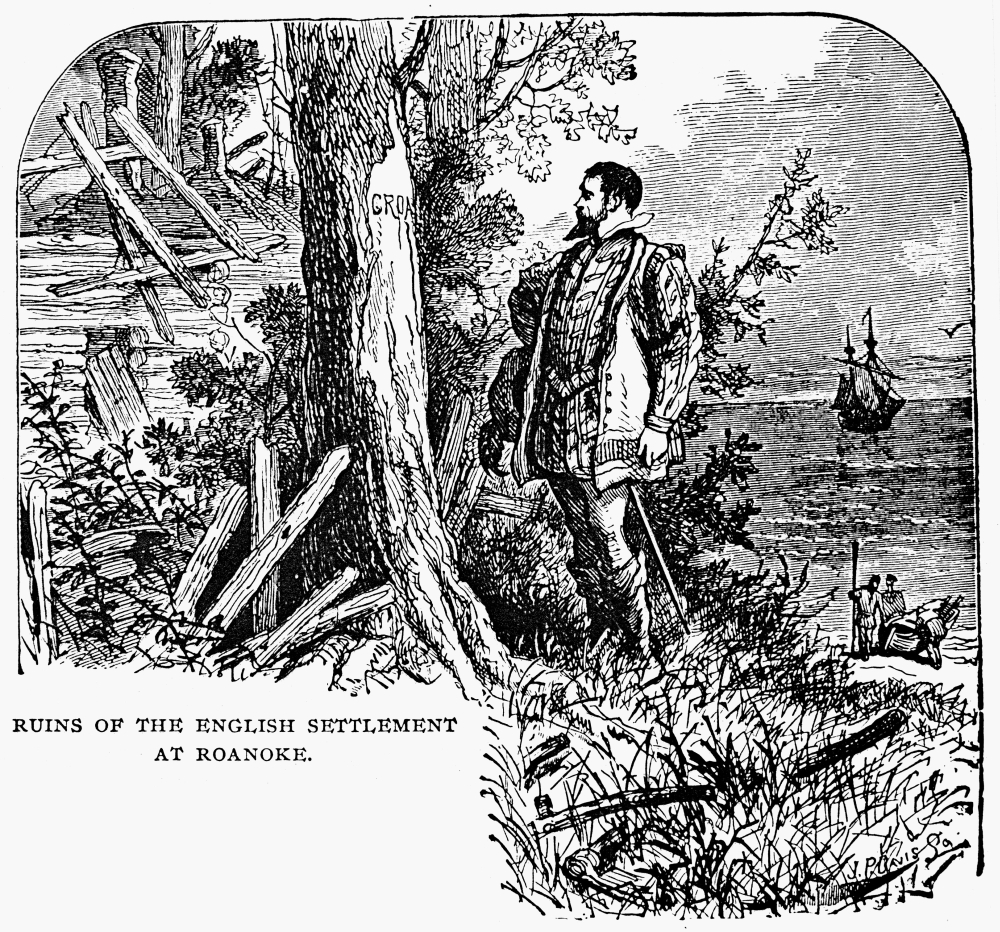
BELIEVE IT OR NOT: Now, let us turn our attention to some of the more curious and perhaps less widely known aspects of Virginia’s history. Virginia once boasted a significant wine industry in its early days, with attempts made to cultivate European grape varieties. Though these initial efforts met with limited success, they speak to the early aspirations and diverse ambitions of the colonists. Furthermore, consider the intriguing stories surrounding the Lost Colony of Roanoke in present-day South Carolina, a mystery that continues to baffle historians to this day. The disappearance of an entire settlement, leaving behind only the cryptic word “Croatoan,” fuels speculation and whispers of unknown fates. And who would have thought that Virginia played a crucial role in the development of early American literature, with figures like William Byrd II chronicling colonial life in witty and insightful prose? These lesser-known facets add layers of complexity and intrigue to the well-trodden paths of historical narrative.  

GHOSTS: Ah, and now we venture into the realm of shadows and whispers, where the veil between worlds is said to thin. Given its long and often turbulent history, it is perhaps unsurprising that Virginia is rife with tales of spectral encounters. Ancient plantations, witnesses to generations of joy and sorrow, are often whispered to be haunted by the lingering spirits of those who once walked their halls. Tales abound of disembodied voices, unexplained footsteps, and the spectral apparitions of former inhabitants, forever bound to the land. Civil War battlefields, soaked in the blood and anguish of a nation divided, are said to echo with the cries of long-lost soldiers, their restless spirits forever reenacting the tragic events of the past. Even the coastline, once frequented by pirates and privateers, holds legends of ghostly ships sailing through the mist, their spectral crews guarding long-lost treasures. Whether these tales are mere fancy or hold a kernel of truth, they undeniably add a certain mystique to the rich tapestry of Virginia’s past, a reminder that perhaps some echoes of history refuse to fade entirely.  

Thus, we have traversed the variegated landscape of Virginia’s history, from its promising beginnings and noble aspirations to its darker realities and enduring mysteries. The story of Virginia is one of stark contrasts, of light and shadow, of triumphs and tragedies, all woven together to create a snapshot as compelling and enduring as the land itself. And with that Ronnie and Rocinante bid Virginia fare well setting a course for neighboring West Virginia.

Onward through the fog… RH

From the strife of Jamestown…
To Colonial Union…
The nation’s birth pangs…
Start in Virginia…
And though the land was…
Abundant paradise…
Independence came with a heavy price.